Reading Bird Size, Shape and Silhouette
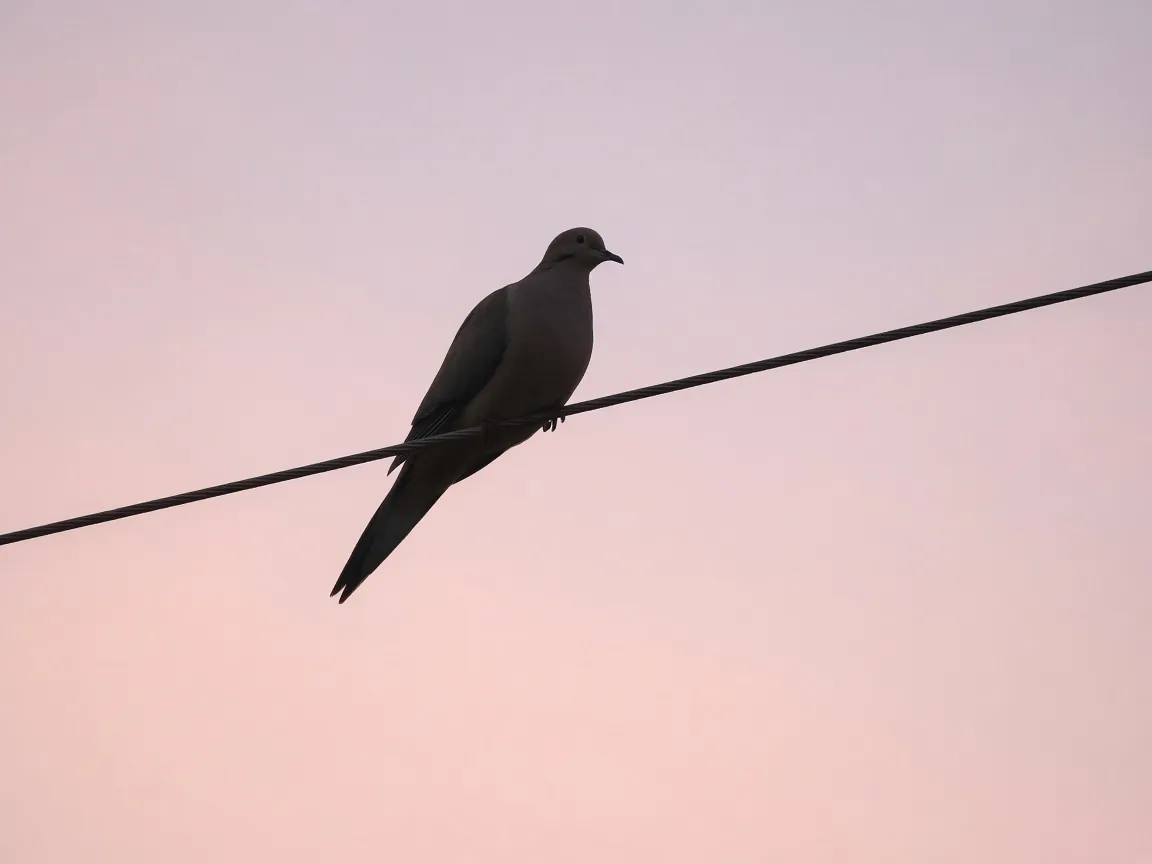
Colors fade in dim light, but shapes stay true. Learning to read a bird's size, outline and posture lets you narrow down an identification even at dawn, at dusk, or when the bird is only a dark shape against the sky.
Why silhouettes are so useful
Many first sightings happen in poor conditions: a bird backlit on a wire, a shape flying across the yard, a visitor at the feeder while you squint into the sun. In those moments, plumage details are hidden. What you can still see is the outline, and outlines carry a lot of information. Doves, jays, woodpeckers, swallows and hawks all have shapes you can learn to recognize at a glance.
Judging size without a ruler
Size is relative. Instead of guessing inches, compare with familiar reference birds or objects:
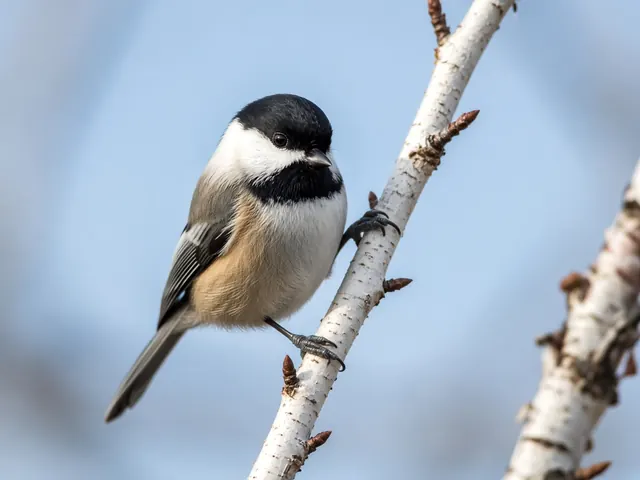
- Tiny: smaller than a sparrow, such as hummingbirds, kinglets, chickadees and goldfinches.
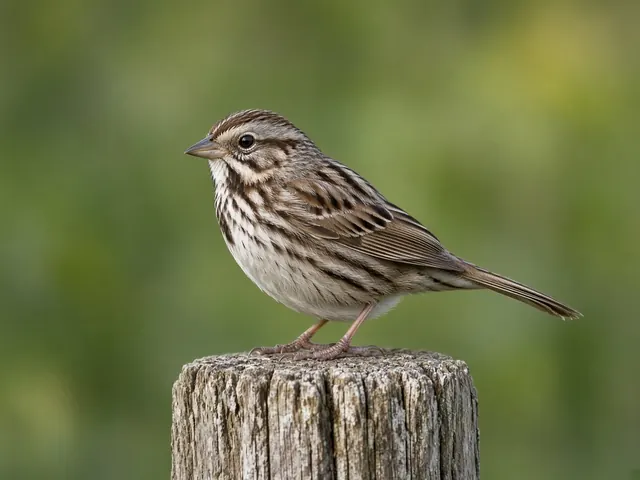
- Small: sparrow-sized, such as house finches, juncos and most sparrows.
- Medium: robin-sized, such as robins, cardinals, red-winged blackbirds and starlings.
- Large: bigger than a robin, such as mourning doves, blue jays, crows and hawks.
Distance tricks the eye, so whenever possible compare with nearby objects: a feeder port, a fence board, a deck rail. Two birds on the same branch are the best comparison of all.
Body shape and proportions
Look at the overall proportions before focusing on parts:
- Plump and round: chickadees, juncos, many finches.
- Slim and long-tailed: mourning doves, mockingbirds, catbirds.
- Stocky and short-tailed: starlings, nuthatches.
- Upright posture: robins, bluebirds, flycatchers on a perch.
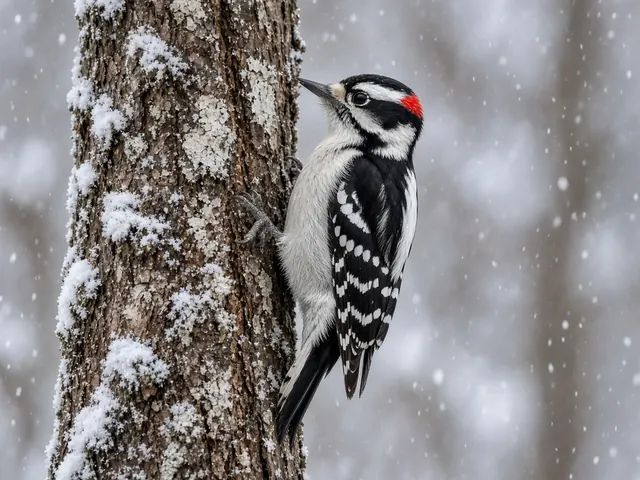
- Vertical, clinging posture: woodpeckers and nuthatches on trunks.
Bill shape tells you about diet
Bills are tools, so their shape reflects what a bird eats:
- Short, thick cone: seed crackers such as cardinals, grosbeaks, finches and sparrows.
- Thin and pointed: insect gleaners such as warblers, wrens and kinglets.
- Long and needle-like: hummingbirds, built for reaching nectar.
- Strong and chisel-like: woodpeckers, built for drilling.
- Hooked: hawks and other raptors that tear prey.
Tails, crests and wings
A few outline features are especially quick to read:
- Crests: northern cardinals, blue jays, tufted titmice and cedar waxwings all show a pointed crest, although a relaxed crest can lie flat.
- Tail shape: the long, tapered tail of a mourning dove; the notched tail of a finch; the cocked-up tail of a wren.
- Wing shape in flight: swallows have long, pointed wings; many hawks show broad, rounded wings.
Flight style and movement
How a bird moves completes the silhouette. American goldfinches fly in a bouncing, roller-coaster pattern. Woodpeckers flap and glide in an undulating line. Mourning doves fly fast and straight, often with a whistling wing sound on takeoff. Hummingbirds hover and dart. Even if you saw no color at all, the movement can point you toward a family of birds.
Practice exercises
- Wire watch: on a clear evening, look at birds on utility lines and sort them only by shape: dove, starling, blackbird, or "other."
- Feeder sorting: group visitors by bill type: cones, thin bills, chisels.
- Squint test: look at a familiar bird with your eyes half closed. What shape is left?
- Sketch quickly: draw an oval for the body, a circle for the head, and lines for bill and tail. Proportions matter more than artistry.
Common mistakes
- Misjudging size at distance. A bird alone in the sky has no reference point; compare with a nearby branch or wait until it lands.
- Assuming a flat crest means no crest. Cardinals and jays raise and lower their crests.
- Confusing fluffed-up birds with larger birds. In cold weather, birds puff feathers for insulation and look rounder.
- Stopping at the silhouette. Shape narrows the list; confirm with color pattern, behavior and range.
Shape checklist
- Size compared with sparrow, robin or crow
- Overall body shape and posture
- Bill shape: cone, thin, needle, chisel or hook
- Tail length and shape
- Crest present or absent
- Flight pattern if seen flying
When you have your shape notes, try the Backyard Bird ID Helper to filter a short educational list, then confirm with a field guide. For the full routine, read how to identify backyard birds.
Questions beginners ask
Why do birds look bigger in winter?
Birds fluff out their feathers to trap warm air, which makes them look rounder and larger. Shape clues such as bill and tail stay the same, so rely on those more than overall bulk in cold weather.
What if I only saw the bird flying?
Note flight pattern, wing shape, tail shape and any flashes of color, such as white outer tail feathers. Those clues can narrow the bird to a family. Many birders log quick flyovers as a group, for example 'woodpecker species', and that is accurate and useful.
Is size more reliable than color?
Both can mislead on their own. Size is hard to judge at a distance, and color changes with light. Shape, especially bill shape, tends to be the most stable single clue, but the best identifications combine several features.
Can silhouettes help me learn hawks?
Yes. Broad, rounded wings and a fanned tail suggest some hawks, while long pointed wings suggest falcons. Hawk identification is challenging, so treat silhouettes as a starting point and confirm with a field guide.
Helpful public resources
Links go to independent organizations. BackyardBirdAtlas is not affiliated with them.
Educational information only. Bird ranges and timing vary by region. For uncertain identifications, check a trusted field guide or ask local birding experts. For injured or sick birds, contact a licensed wildlife rehabilitator. See our disclaimer.