Hummingbirds in Summer Backyards
Hummingbirds bring speed, color and surprise to summer gardens. Supporting them well comes down to native flowers, clean feeders with the right simple nectar, and realistic expectations about which species live in your area.
Which hummingbirds might you see?
Which species visit depends on where you live:
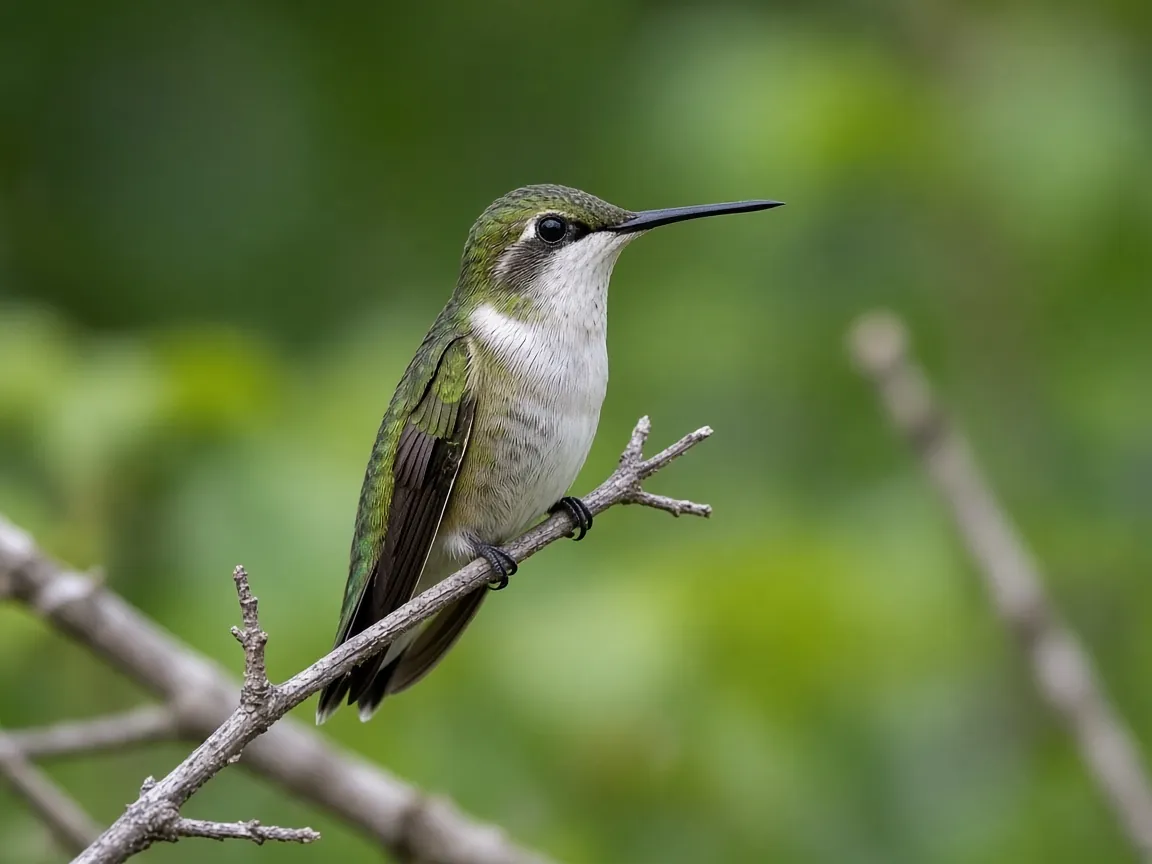
- East of the Great Plains: the ruby-throated hummingbird is the only species that commonly breeds. Males have a glittering red throat (gorget) that can look black in poor light; females have white throats and green backs.
- The West: several species occur, such as Anna's, black-chinned, broad-tailed, rufous, Allen's, Costa's and calliope hummingbirds, depending on region and season.
Female and young hummingbirds of different species can be very hard to tell apart. It is fine to record them as "hummingbird species" unless you have clear views or photos reviewed against a reliable field guide.
Timing
In much of the East, ruby-throated hummingbirds arrive in spring and leave for Central America and Mexico in late summer and fall. Arrival dates vary from roughly March in the Gulf states to May in the North. Migration maps from reputable birding organizations show typical timing. In parts of the West, such as coastal California, Anna's hummingbirds can be present year-round.
Flowers first
Native flowers provide nectar, and the small insects hummingbirds need for protein, especially when feeding young. Tubular, often red or orange flowers are classic hummingbird plants. Examples to look into for your region include native bee balms, cardinal flower, columbines, native salvias and trumpet honeysuckle. Avoid invasive species, and use the Audubon native plants database or your Extension service to check what suits your area.
Limiting pesticide use helps too, since hummingbirds eat many small insects and spiders.
Nectar feeders: the simple recipe
If you use a feeder, the widely recommended nectar is simple:
- 1 part plain white table sugar to 4 parts water.
- Mix until dissolved. Many people briefly heat water to help dissolve sugar; let it cool completely before filling.
- No red dye. Feeders already have red parts to attract hummingbirds.
- No honey, brown sugar, artificial sweeteners or additives. These can ferment or grow harmful fungi or are not suitable.
Extra nectar can be refrigerated for a short time, roughly up to a week, in a clean, covered container.
Keeping feeders clean
Sugar water spoils fast in summer heat. A common guideline is to change nectar and clean the feeder every two days or so in very hot weather and every few days in milder weather. If nectar looks cloudy, has floating specks, or the feeder shows black mold, empty it and clean it immediately.
- Empty old nectar.
- Take the feeder apart.
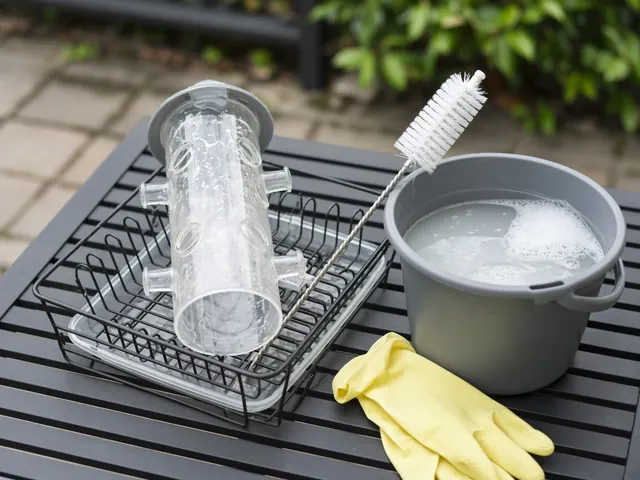
- Wash with hot water and a small brush, especially around feeding ports.
- Rinse well and refill with fresh nectar.
Choose a feeder that comes apart easily. Hard-to-clean designs are a common source of moldy nectar.
Placement
- Put feeders in partial shade to slow spoiling.
- Place near flowers or cover, but where cats cannot ambush.
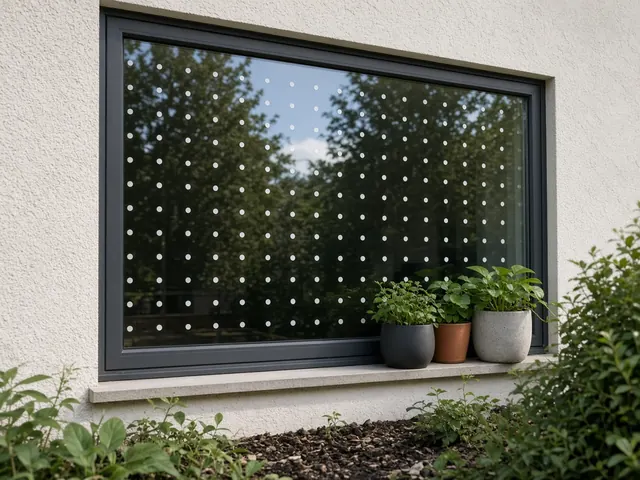
- Follow window safety guidance: very close to the window or well away. See window collisions.
- If one hummingbird chases others away, add a second feeder out of sight of the first.
Ants, bees and wasps
Ant moats (a small water-filled cup above the feeder) can help with ants. Feeders with bee guards and saucer-style designs can reduce bee and wasp visits. Never use oil, grease or insecticides on feeders or hangers.
A note on fall feeders
A common myth says leaving feeders up in fall stops hummingbirds from migrating. Migration is driven mainly by daylight and internal cues, not feeders, so it is fine to keep a clean feeder up while you still see hummingbirds and for a while after.
Injured or grounded hummingbirds
If you find a hummingbird that cannot fly, is trapped in a garage, or seems injured, contact a licensed wildlife rehabilitator for advice. Do not attempt to feed it or treat it yourself. The Animal Help Now directory can help you find help in the United States.
Common mistakes
- Adding red dye or using honey.
- Leaving nectar out for a week in summer heat.
- Using feeders that cannot be fully cleaned.
- Assuming every female hummingbird can be identified to species.
Hummingbird checklist
- Native tubular flowers planted for your region
- Nectar: 1 part white sugar, 4 parts water, nothing else
- Feeder cleaned and refilled every few days, more often in heat
- Partial shade and safe window placement
- Ant moat or bee guards instead of chemicals
- Rehabilitator contacted for any injured hummingbird
Questions beginners ask
Why did my hummingbirds disappear in midsummer?
Activity at feeders often drops when natural flowers are abundant or when females are busy nesting. Numbers frequently rise again in late summer as young birds and migrants appear.
Should I buy red nectar?
No. Plain white sugar and water is the widely recommended recipe. Pre-mixed red nectars are unnecessary.
Do hummingbirds use birdbaths?
They rarely use deep baths but may fly through misters or tiny drips and bathe on wet leaves. A fine mister near flowers can be fun to watch.
How can I tell a male from a female ruby-throated hummingbird?
Adult males have a red throat that can look dark in shade and a forked black tail. Females have pale throats and white tips on the outer tail feathers. Young males can look female-like.
Helpful public resources
- How to Make Hummingbird Nectar — National Audubon Society
- Feeding Birds (feeders, foods, cleaning, placement) — Project FeederWatch
- Native Plants Database — National Audubon Society
- Animal Help Now — find wildlife help in the U.S.
Links go to independent organizations. BackyardBirdAtlas is not affiliated with them.
Educational information only. Bird ranges and timing vary by region. For uncertain identifications, check a trusted field guide or ask local birding experts. For injured or sick birds, contact a licensed wildlife rehabilitator. See our disclaimer.