Bird Feeder Cleaning and Hygiene
Feeders gather birds close together, which also makes it easier for diseases to spread. Regular cleaning is the single most important habit for anyone who feeds birds. This guide explains a practical routine and what to do when you see sick birds.
Why feeder hygiene matters
Wild birds can carry diseases such as salmonellosis, house finch eye disease (mycoplasmal conjunctivitis) and trichomonosis. Contaminated seed, droppings, moldy food and shared surfaces can all help spread illness. Clean feeders and fresh food reduce, though cannot eliminate, that risk. The U.S. Fish and Wildlife Service and the Cornell Lab of Ornithology both encourage regular feeder cleaning.
How often to clean
A common recommendation is to clean seed feeders at least every two weeks, and more often when:
- the weather is warm and wet,
- many birds are using the feeder,
- seed looks clumped, damp or moldy, or
- you see sick birds in your area.
Hummingbird nectar feeders need much more frequent attention, every few days in mild weather and more often in heat. See hummingbirds in summer.
A simple cleaning routine
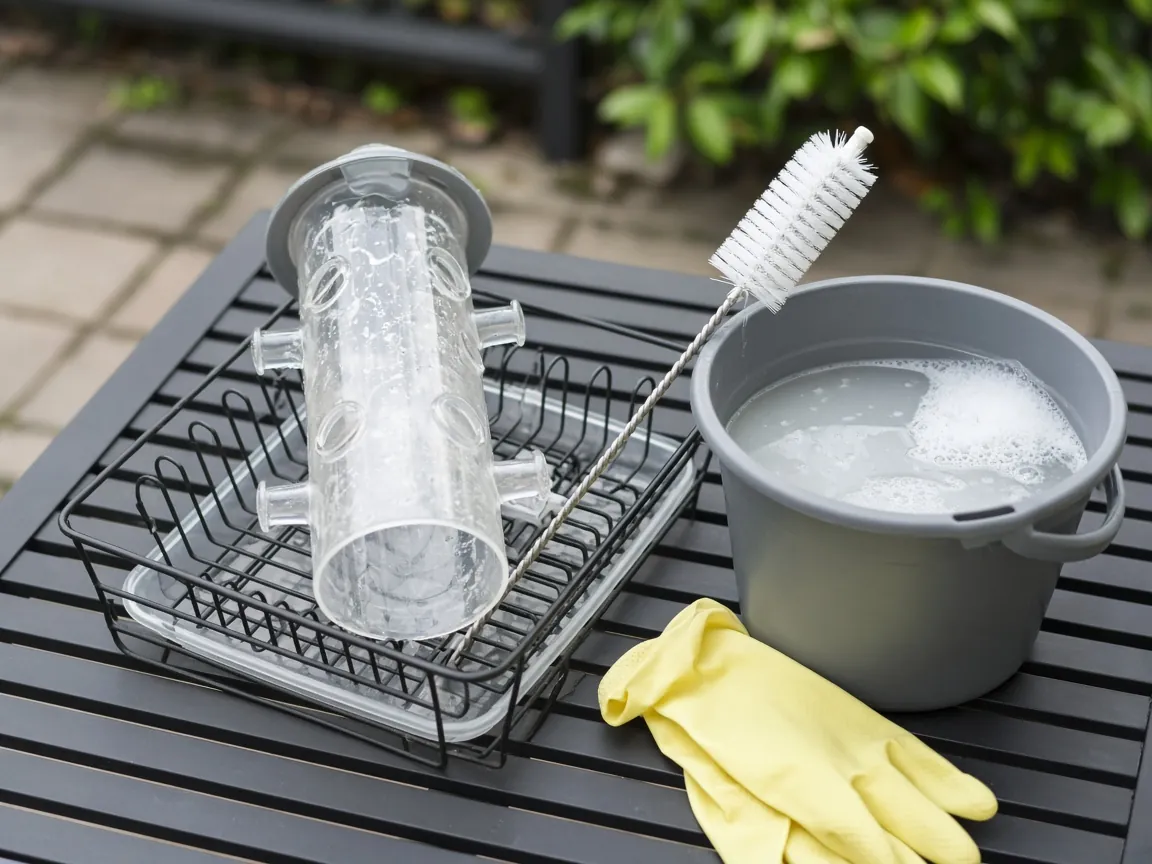
- Wear gloves and work outdoors or in a utility sink, not in the kitchen sink where you prepare food.
- Empty all old seed into the trash.
- Take the feeder apart as far as the design allows.
- Scrub with hot, soapy water and a dedicated brush to remove debris and droppings.
- Disinfect if recommended for your feeder material. A commonly cited solution is one part household bleach to nine parts water, followed by a thorough rinse. Never mix bleach with other cleaners.
- Rinse well with clean water.
- Dry completely before refilling. Damp seed molds quickly.
- Wash your hands thoroughly afterward.
Do not forget the ground
Seed and shells piling up under feeders can grow mold, attract rodents and spread disease among ground-feeding birds. Rake up hulls and old seed regularly, move feeders slightly from time to time, or use a tray to catch spills.
Keeping seed fresh
- Fill feeders with amounts birds will eat in a few days.
- Store seed sealed, cool and dry.
- Throw away clumped, wet or musty seed instead of trying to save it.
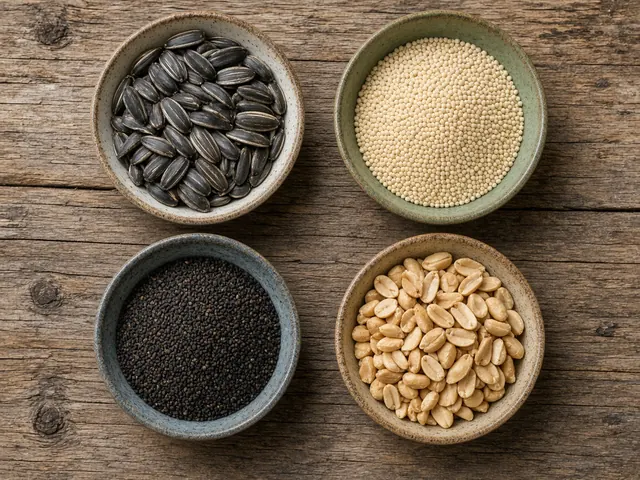
More details are in our bird seed guide.
If you see sick birds
Signs that a bird may be ill include sitting fluffed up and lethargic for long periods, crusty or swollen eyes, or an unusual lack of fear. If you notice sick birds:
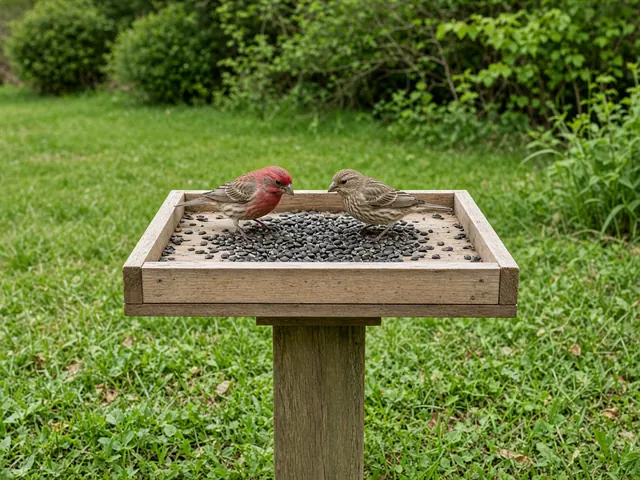
- Consider taking feeders down for a while so birds disperse. Project FeederWatch notes this helps most where few neighbors feed birds; in busy feeding neighborhoods, cleaning and disinfecting more often, and retiring open tray feeders, may help more.
- Clean and disinfect feeders, baths and nearby surfaces.
- Check your state wildlife agency for current local guidance. Agencies sometimes ask the public to pause feeding during outbreaks.
- Do not handle sick or dead birds bare-handed. If you must move a dead bird, use gloves or a plastic bag and wash your hands afterward.
- For an injured or sick bird that needs help, contact a licensed wildlife rehabilitator. They are trained and permitted to care for wild birds; trying to treat a bird at home can do more harm than good. The Animal Help Now directory can help you find wildlife help in the United States.
Avian influenza has affected wild birds in recent years. Your state wildlife agency and the U.S. Department of Agriculture publish current information; follow their guidance on reporting unusual groups of dead birds.
Common mistakes
- Topping up old seed without ever emptying the feeder.
- Cleaning feeders in the kitchen sink.
- Refilling a feeder that is still wet inside.
- Leaving feeders up during a known local disease outbreak.
- Trying home remedies on a sick wild bird instead of calling a licensed rehabilitator.
Hygiene checklist
- Clean seed feeders at least every two weeks
- Gloves, dedicated brush, outdoor or utility sink
- Scrub, rinse, disinfect if appropriate, rinse again
- Dry fully before refilling
- Rake up hulls and old seed below
- Pause feeding if sick birds appear
- Call a licensed rehabilitator for injured or sick birds
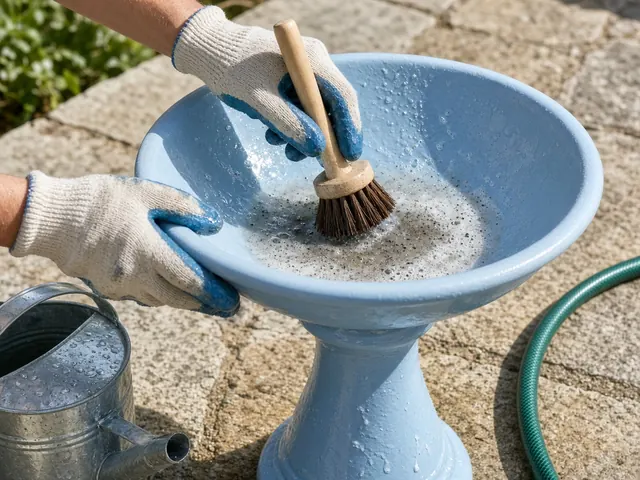
Birdbaths need care too. See how to clean a birdbath.
Questions beginners ask
Can I use dish soap?
Mild, unscented dish soap and hot water are commonly used for scrubbing. Rinse very thoroughly so no soap residue remains.
Is a dishwasher okay?
Some feeders are labeled dishwasher-safe, but many people prefer to keep bird equipment separate from household dishes. Follow the feeder maker's instructions and avoid washing bird items with food items.
What does house finch eye disease look like?
Affected birds may have red, swollen or crusty eyes and seem lethargic. If you see this, take down feeders, clean them thoroughly and check your state wildlife agency's guidance before putting them back.
Does hygiene matter for birdbaths too?
Yes. Birdbaths can spread disease as well. Change water often and scrub regularly.
Helpful public resources
- Feeding Birds (feeders, foods, cleaning, placement) — Project FeederWatch
- Animal Help Now — find wildlife help in the U.S.
Links go to independent organizations. BackyardBirdAtlas is not affiliated with them.
Educational information only. Bird ranges and timing vary by region. For uncertain identifications, check a trusted field guide or ask local birding experts. For injured or sick birds, contact a licensed wildlife rehabilitator. See our disclaimer.