Choosing the Right Bird Feeder Type
Different feeders suit different birds. Choosing a style based on the birds already in your area, and on how much cleaning you can realistically keep up with, matters far more than buying the fanciest design. This guide explains the main feeder types without recommending any brand.
Start with your goals
Before choosing a feeder, ask three practical questions:
- Which birds already visit or live nearby? Feeders support birds that are already in your area; they will not bring in species that do not occur there.
- Where can it be placed safely? Consider windows, cats, and cover.
- How often can you clean it? A simple feeder you clean regularly is better for birds than an elaborate one you neglect.
Platform or tray feeders
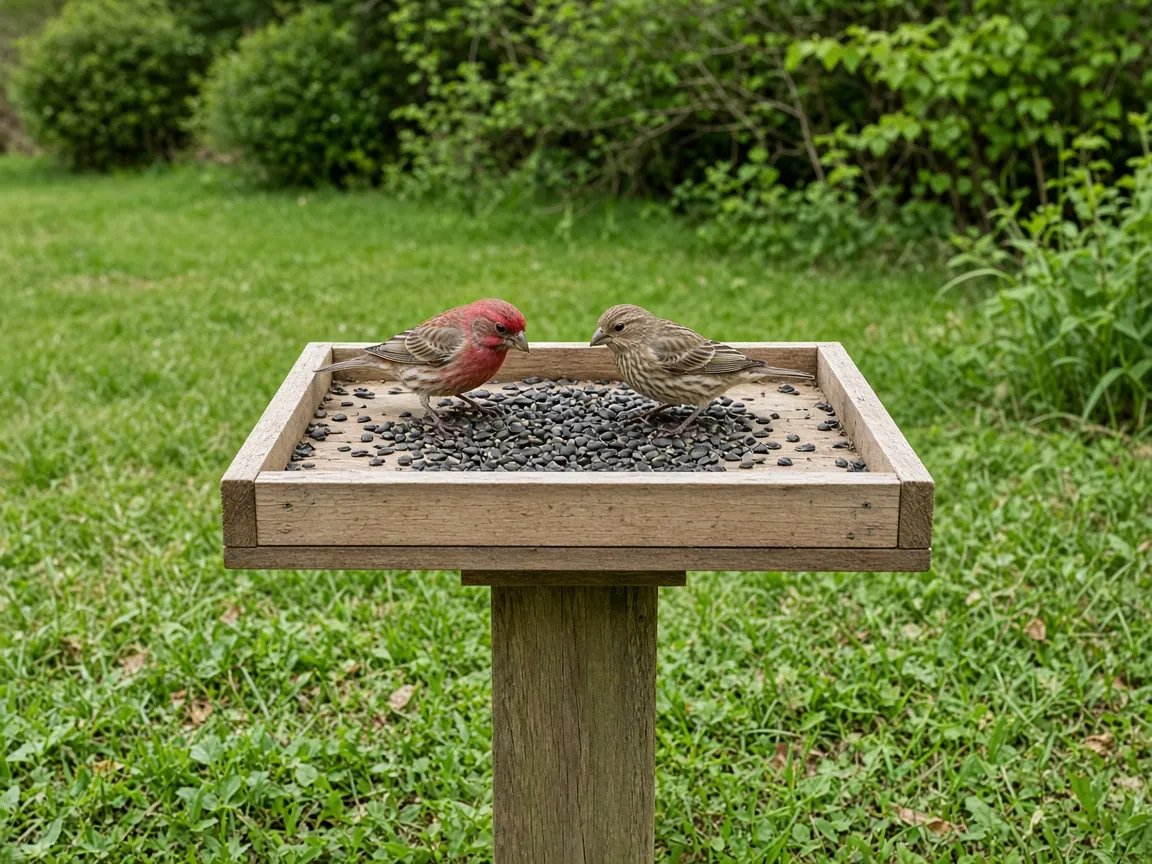
An open, flat tray on a post, hanging, or close to the ground.
- Good for: cardinals, doves, juncos, sparrows, jays and many other birds that prefer a wide, stable surface.
- Pros: very easy to see birds; handles many seed types.
- Cons: seed gets wet and soiled quickly; squirrels and larger birds can dominate.
- Tip: choose one with a mesh or drilled bottom for drainage, offer only what birds eat in a day, and clean it often.
Hopper feeders
A covered "house" that releases seed into a tray as birds eat.
- Good for: cardinals, chickadees, titmice, finches, jays and nuthatches.
- Pros: keeps seed drier than an open tray; holds a good amount.
- Cons: can be harder to clean inside; seed in corners can turn moldy.
Tube feeders
A clear or mesh cylinder with feeding ports and perches.
- Good for: chickadees, titmice, finches and nuthatches.
- Pros: keeps seed relatively dry; short perches discourage larger birds.
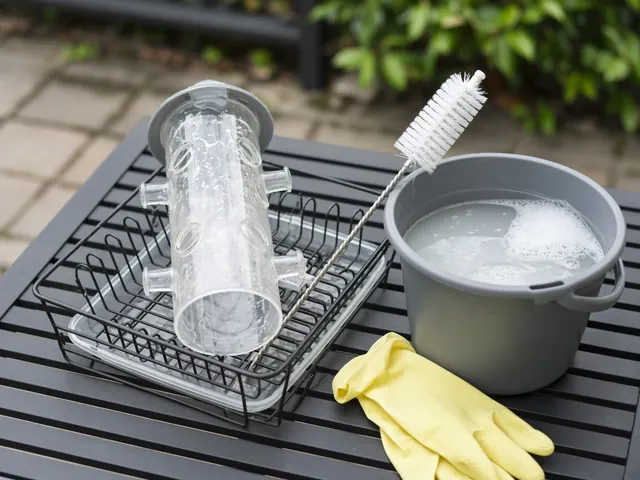
- Cons: seed can cake at the bottom; needs a long brush for cleaning.
- Variation: fine-mesh or small-port "finch" feeders are designed for tiny nyjer seed.
Suet feeders
Wire cages or logs that hold suet cakes or plugs.
- Good for: woodpeckers, nuthatches, chickadees, wrens and, in some areas, jays.
- Pros: high-energy food that many insect-eating birds use.
- Cons: raw suet can spoil or melt in warm weather. Many people offer suet mainly in cool months or use products labeled for warmer temperatures.
Nectar feeders
Designed for hummingbirds, with small feeding ports and usually red parts.
- Good for: hummingbirds, plus orioles in some regions with oriole-specific designs.
- Key rule: nectar spoils quickly in heat and must be changed and cleaned often. See our summer hummingbird guide.
Placement matters as much as type
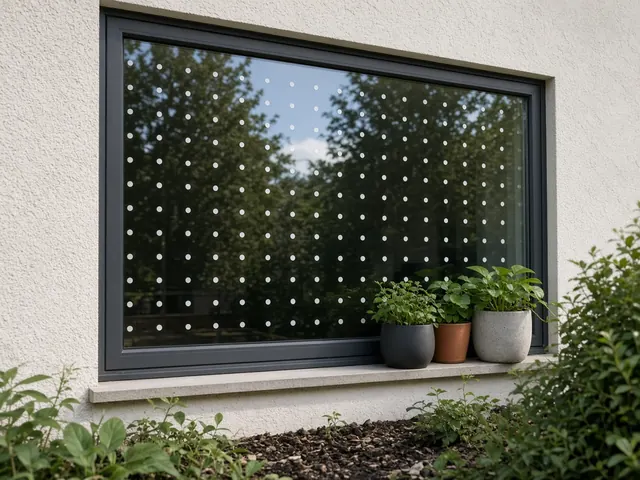
- Windows: a common recommendation is to place feeders either very close to a window, within about 3 feet, or well away, more than about 30 feet. Close feeders mean birds that leave cannot build up dangerous speed; distant feeders are less likely to send birds toward the glass. See window collision prevention.
- Cover: a shrub or small tree several feet away gives birds a place to escape hawks, without hiding a waiting cat right beside the feeder.
- Cats: keep feeders away from spots where cats can ambush birds; see cats and backyard birds.
- Access for you: put feeders where you can reach them easily to clean and refill.
Squirrels and larger visitors
Squirrels are clever. Common, humane approaches include placing a pole feeder away from jumping-off points, adding a baffle below or above the feeder, and offering foods some squirrels show less interest in, such as safflower seed. Avoid sticky substances, poisons or anything that could harm wildlife or pets.
Wildlife and local guidance
If you live in an area with bears, many wildlife agencies advise taking feeders down during the months when bears are active, because feeders can draw bears into yards. During local outbreaks of bird diseases, your state wildlife agency may recommend pausing feeding. Following that local guidance is part of responsible feeding.
Common mistakes
- Choosing a feeder that is hard to take apart and clean.
- Overfilling open trays so seed sits wet for days.
- Placing feeders 10 to 20 feet from a large window.
- Ignoring seed buildup on the ground below feeders, which can attract rodents.
- Expecting a new feeder to bring unusual or rare birds; it mainly helps species already nearby.
Feeder choice checklist
- Matches the birds already in your area
- Easy to open, empty and scrub
- Drains water well
- Placed under 3 feet or over 30 feet from windows
- Cover nearby but not an ambush spot
- A realistic cleaning schedule on your calendar
Next, learn which foods to put in each feeder in our bird seed guide.
Questions beginners ask
How many feeders should a beginner have?
One or two is plenty. Start with a feeder you can clean easily and a food that suits local birds, such as black oil sunflower seed. Add more only if you can keep up with cleaning.
Should I feed birds year-round?
Many people feed year-round and many feed only in colder months. Both are reasonable. In summer, many birds rely heavily on insects and natural food, and feeders mainly supplement that. Follow local guidance, for example in bear country or during disease outbreaks.
Do feeders make birds dependent?
Research suggests that wild birds typically get much of their food from natural sources even when feeders are available. Still, if you plan to stop, it is kind to taper off gradually rather than in the middle of a harsh cold snap.
What about homemade feeders?
Homemade feeders can work well if they drain, can be cleaned, and do not have sharp edges or small gaps that could trap birds. Avoid materials that are hard to sanitize.
Helpful public resources
Links go to independent organizations. BackyardBirdAtlas is not affiliated with them.
Educational information only. Bird ranges and timing vary by region. For uncertain identifications, check a trusted field guide or ask local birding experts. For injured or sick birds, contact a licensed wildlife rehabilitator. See our disclaimer.