Native Plants for Backyard Birds
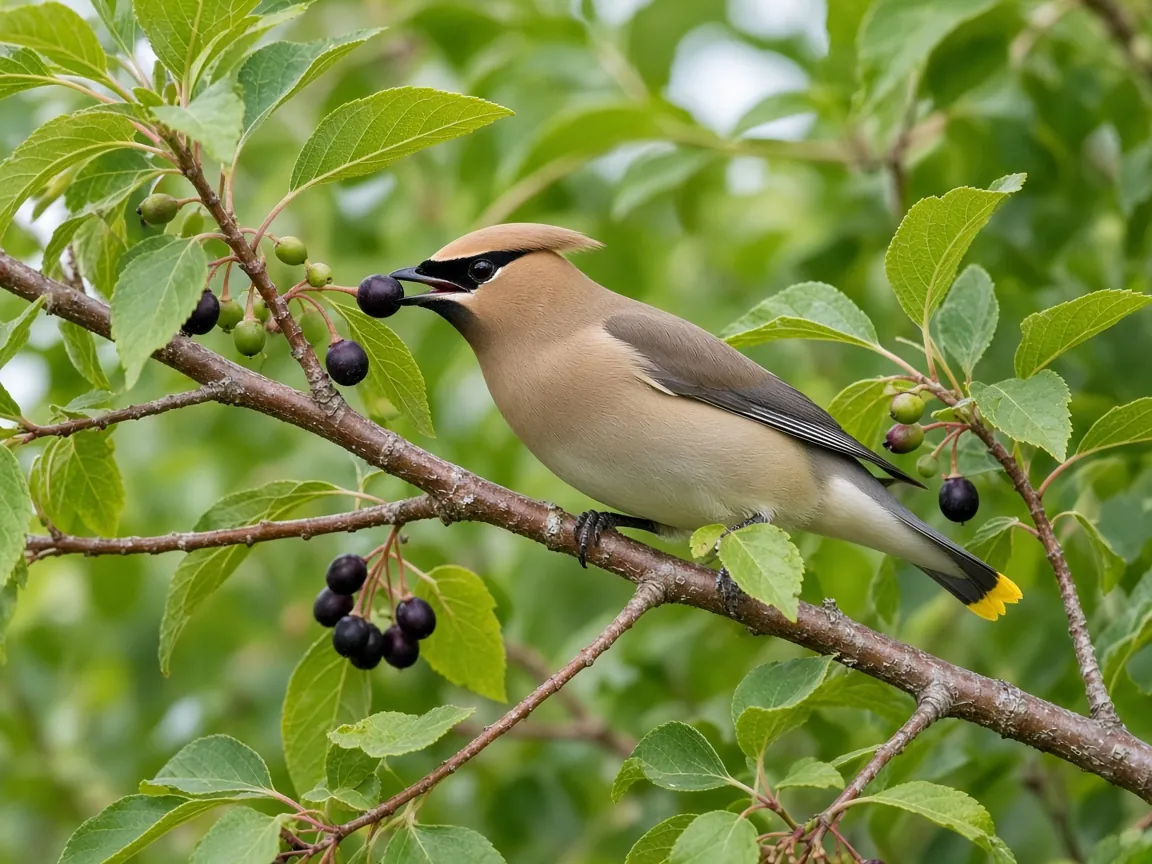
Feeders help, but plants feed birds year-round. Native trees, shrubs and flowers provide seeds, berries, nectar, shelter, nesting sites and, crucially, the insects that most songbirds feed their young. This guide explains how to think about a bird-friendly planting plan for your own region.
Why native plants matter
Native plants evolved alongside local insects and birds. Many native caterpillars and other insects can only feed on particular native plants, and those insects are essential food for nestlings. Even seed-eating birds such as chickadees and cardinals feed insects to their young. A yard with many native plants usually supports more insects, and therefore more food for birds, than a lawn with a few ornamental shrubs.
Native plants also tend to be adapted to local rainfall, soil and temperature once established, though they still need care while young.
Find plants for your area
"Native" depends on where you live. A plant native to Georgia may not be native to Oregon. Reliable ways to find suitable plants include:
- The National Audubon Society's native plants database, which suggests plants by ZIP code.
- Your state's Cooperative Extension service, often run through a land-grant university.
- Local native plant societies and native plant nurseries.
We share general categories below rather than prescribing a list, because the right choices depend on your region, soil and space.
Layers make a yard more useful
Birds use different heights. A layered yard offers more places to feed, hide and nest:
- Canopy trees: oaks, maples, and other native trees can host many insects and offer nesting sites.
- Small trees and large shrubs: serviceberry, dogwoods, hollies and native viburnums, depending on region, can offer berries and cover.
- Shrubs and thickets: dense native shrubs give cover from predators and weather and nest sites for birds like cardinals and catbirds.
- Perennials and grasses: coneflowers, black-eyed Susans, asters, goldenrods and native grasses provide seeds and support insects.
- Leaf litter: fallen leaves under shrubs host insects for ground-feeding birds such as towhees, thrushes and sparrows.
Food through the seasons
Plan for something useful in every season:
- Spring: early flowers support insects that arrive with migrating and nesting birds.
- Summer: caterpillar-hosting trees and shrubs feed nestlings; early berries such as serviceberry help adults.
- Fall: high-fat berries from native shrubs like dogwoods and viburnums help migrants refuel.
- Winter: seed heads left standing and persistent fruits like winterberry holly provide food when insects are scarce.
Leave some "mess"
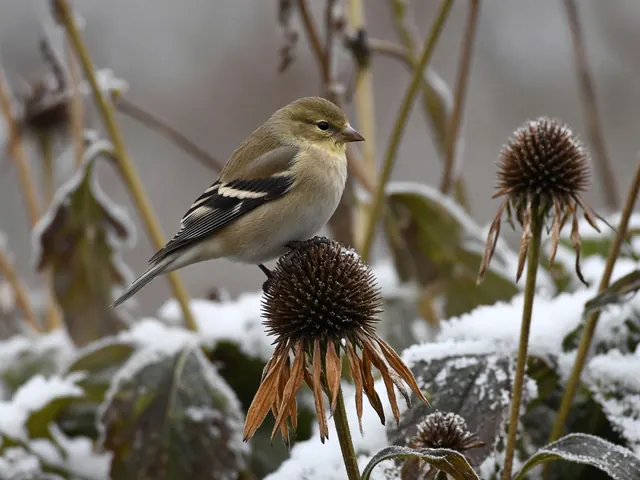
- Leave seed heads on coneflowers and other perennials through fall and winter; goldfinches and sparrows often feed on them.
- Leave some leaves in garden beds to shelter insects.
- Where safe, keep dead snags that woodpeckers and cavity-nesting birds can use. Ask an arborist if a dead tree could fall on structures.
- A brush pile in a corner can give small birds quick cover.
Reduce chemicals
Pesticides reduce the insects birds need, and some can harm birds directly. Use integrated pest management: tolerate minor leaf damage, spot-treat only when needed, and avoid broad-spectrum insecticides. If you use any product, follow label directions exactly.
Start small
You do not need to replant the whole yard. Good first projects include:
- Replacing one patch of lawn with native perennials.
- Adding one native shrub near a feeder area as cover.
- Planting one native tree with room to grow.
- Removing invasive plants that crowd out natives, using guidance from your Extension service.
Common mistakes
- Assuming any plant sold at a garden center is native to your area.
- Cutting everything back in fall and removing seed heads.
- Planting invasive ornamental shrubs that birds spread into natural areas.
- Spraying broad-spectrum insecticides that remove nestling food.
- Expecting immediate results; plantings take a few seasons to mature.
Native planting checklist
- Plant list checked for your ZIP code or region
- Several layers: tree, shrub, perennial, ground
- Something useful each season
- Seed heads and some leaves left in place
- Pesticides minimized
- One small project started this season
Continue with window collision prevention and keeping cats and birds safe to round out a bird-friendly yard.
Questions beginners ask
Are cultivars of native plants as good?
It depends. Some cultivars, sometimes called nativars, appear to support insects about as well as the original species, while others with very different flower shapes or leaf colors may support fewer. When in doubt, choose straight species from a local native plant nursery.
Can a small yard or balcony help?
Yes. Even a few containers of native flowers can support pollinators and small insects. Every patch adds up, especially when neighbors do the same.
Will native plants bring rare birds?
Native plants support the birds and insects that already occur in your region. They can improve your yard for local species and migrants passing through, but no planting can guarantee particular or rare birds.
When is the best time to plant?
In many regions, fall and spring are good times, but timing varies by climate. Your Cooperative Extension service can give local advice.
Helpful public resources
- Native Plants Database — National Audubon Society
- Feeding Birds (feeders, foods, cleaning, placement) — Project FeederWatch
Links go to independent organizations. BackyardBirdAtlas is not affiliated with them.
Educational information only. Bird ranges and timing vary by region. For uncertain identifications, check a trusted field guide or ask local birding experts. For injured or sick birds, contact a licensed wildlife rehabilitator. See our disclaimer.