Learning Backyard Bird Songs and Calls
You will often hear a backyard bird long before you see it. Learning a handful of common songs and calls is one of the most rewarding skills for a beginner, and it does not require a musical ear, just patience and a few memory tricks.
Songs versus calls
Birders usually separate bird sounds into two broad groups:
- Songs are typically longer, more complex and patterned. In many North American songbirds they are sung mostly by males in spring and early summer to defend territory and attract mates, although females of some species, including the northern cardinal, also sing.
- Calls are shorter sounds used year-round: contact notes between flock members, alarm calls, and begging calls from young birds.
That is why spring mornings are so loud and winter yards are quieter but still full of chips, buzzes and contact calls.
Start with five familiar voices
Rather than trying to learn everything, pick a few common species and learn them well. Depending on your region, good starters include:
- American robin: a rich, flowing caroling of short phrases, often described as "cheerily, cheer-up, cheerio."
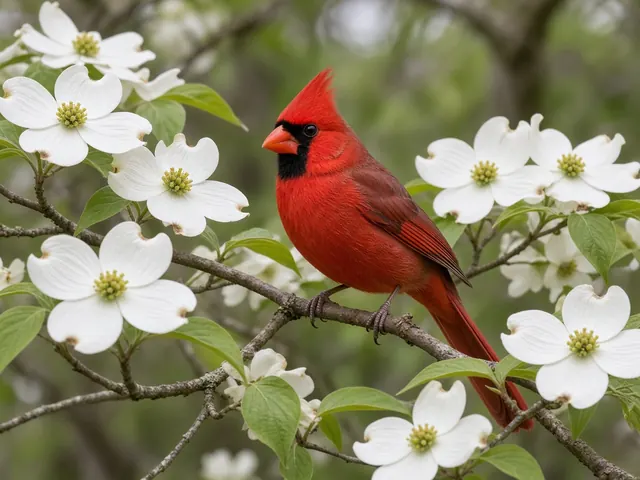
- Northern cardinal: loud, clear whistles such as "birdie-birdie-birdie" or "cheer-cheer-cheer," plus a sharp metallic "chip."
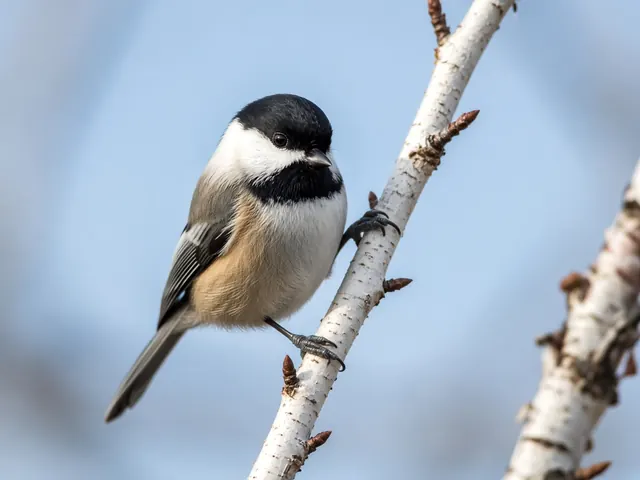
- Black-capped chickadee: the namesake "chick-a-dee-dee-dee" call and a sweet, two-note "fee-bee" song.
- Blue jay: a loud "jay! jay!" and a surprising variety of other sounds.
- Mourning dove: a soft, low "coo-OO-oo, oo, oo" that beginners sometimes mistake for an owl.
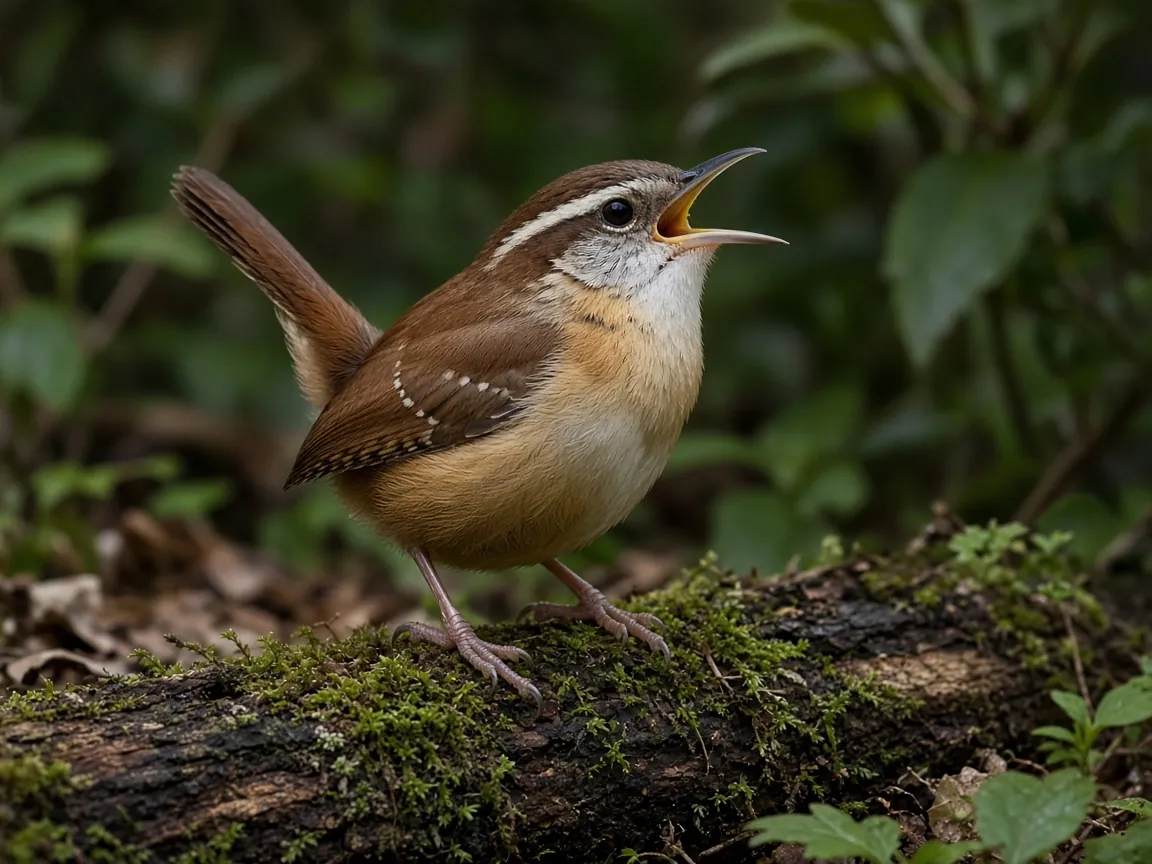
The Carolina wren is a good bonus species in the East and South: a small bird with a remarkably loud, rolling "teakettle-teakettle-teakettle."
Memory tricks that actually help
- Mnemonics: turning a song into words ("teakettle," "cheerily," "drink-your-tea") makes it easier to recall.
- Describe the quality: is it whistled, buzzy, harsh, liquid, or rattling?
- Notice rhythm and pitch: does it rise, fall, repeat, or trill on one note?
- Connect sound to sight: whenever you see a bird singing, watch and listen at the same time. That pairing sticks.
Using recordings and apps wisely
Reference recordings from reputable sources are a great way to check what you heard. The Cornell Lab of Ornithology's All About Birds site includes sound recordings on species pages, and its free Merlin Bird ID app offers sound identification suggestions.
Treat app results as suggestions, not verdicts. Background noise, distant birds and mimics such as northern mockingbirds and blue jays can confuse automatic tools. If an app suggests something unexpected for your area or season, look for the bird and check the range before recording it.
Please avoid repeatedly playing recordings outdoors to call birds in. Playback can stress birds, particularly during nesting season, and many birding organizations discourage it, especially for sensitive species.
A simple listening routine
- Step outside or open a window for five quiet minutes.
- Count how many different sounds you hear, even if you cannot name them.
- Pick one sound and describe it in your notebook: quality, rhythm, pitch, direction.
- Try to see the bird making it.
- Compare later with a trusted recording.
Repeating this a few times a week through spring builds familiarity quickly. Morning, roughly the first couple of hours after sunrise, is usually the most active time.
Common mistakes
- Trying to learn too many species at once. Five well-known voices beat fifty half-remembered ones.
- Trusting a single app match. Confirm by sight or with an experienced birder.
- Forgetting mimics. Mockingbirds, catbirds and jays copy other birds and even mechanical sounds.
- Ignoring calls. Short chips and contact notes are year-round clues worth learning.
Listening checklist
- Note whether the sound is a song or a short call
- Describe quality: whistle, buzz, trill, harsh or liquid
- Record rhythm and whether pitch rises or falls
- Note time, weather and where the sound came from
- Try to match sound to a bird you can see
- Check a reputable recording before deciding
Combine what you hear with what you see using our identification routine, and keep notes with the printable section of the Backyard Bird ID Helper.
Questions beginners ask
Why do birds sing so early in the morning?
The early morning chorus is common in spring. Explanations studied by scientists include calm air that carries sound well and low light that makes foraging harder, so singing is a good use of time. Whatever the reason, early mornings are the best time to practice listening.
Do birds sing in winter?
Most birds sing less in winter, but you will still hear many calls, and some species, such as northern cardinals and Carolina wrens, may sing on mild winter days. Chickadees often start singing 'fee-bee' in late winter.
Can regional accents change a song?
Yes. Some species show regional variation in songs, sometimes called dialects. A recording from another part of the country may sound a little different from your local birds, which is another reason to connect what you hear with what you see.
Is it okay to use an app outdoors?
Listening with an app that records sound is fine. The concern is playing recordings loudly to attract birds, which can disturb them, particularly during nesting season.
Helpful public resources
Links go to independent organizations. BackyardBirdAtlas is not affiliated with them.
Educational information only. Bird ranges and timing vary by region. For uncertain identifications, check a trusted field guide or ask local birding experts. For injured or sick birds, contact a licensed wildlife rehabilitator. See our disclaimer.