Providing Water for Birds in Winter
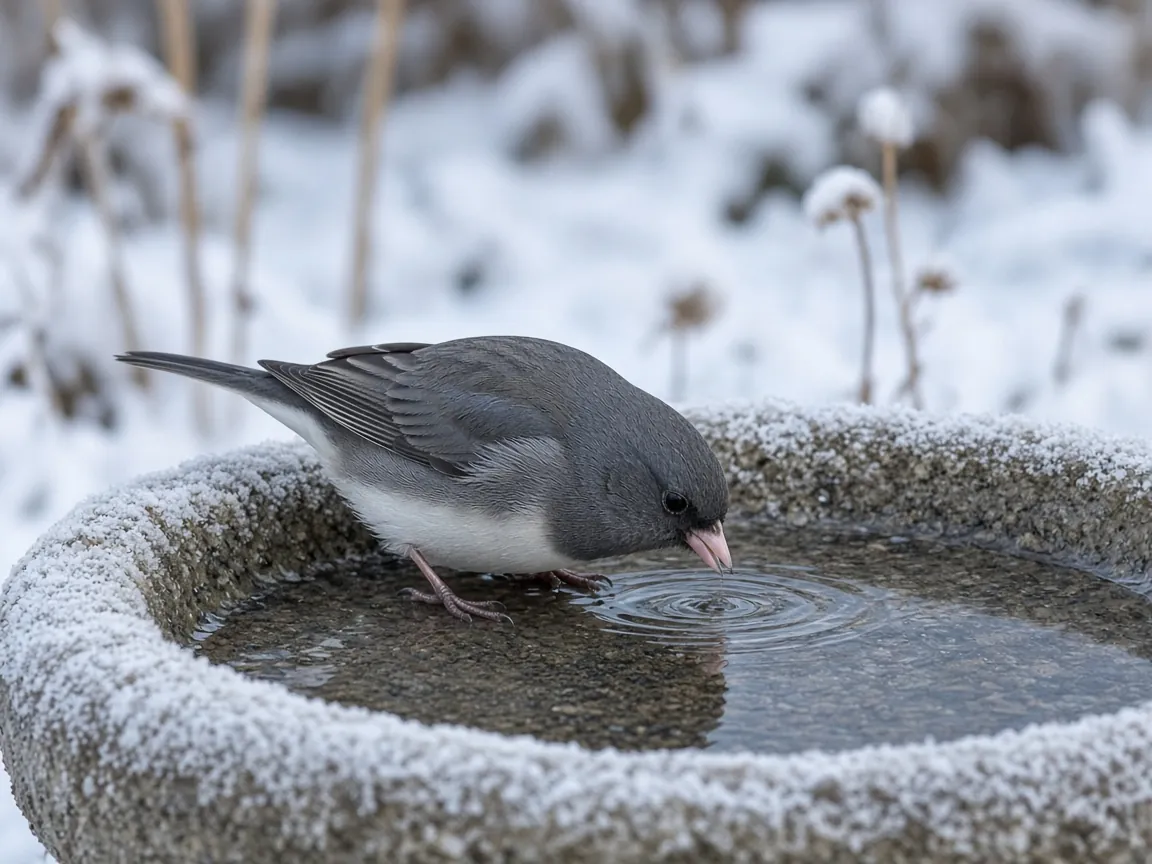
In freezing weather, open water can be harder for birds to find than food. A reliable winter water source helps birds drink and keep feathers in good condition, and it can be a quiet highlight of a cold morning at the window.
Why winter water helps
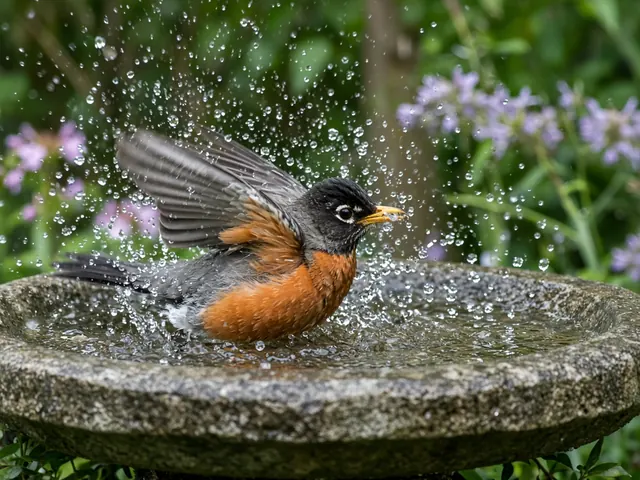
Birds can eat snow, but melting it costs body heat and energy. Liquid water is easier. When ponds, puddles and streams freeze, a backyard birdbath with open water may be one of the few nearby sources. Birds also continue to preen and sometimes bathe in winter, which helps keep feathers clean and well insulated.
Options for keeping water open
There are a few common approaches. Choose what fits your climate and setup:
- Heated birdbaths: bowls with a built-in, thermostatically controlled heater that only warms water enough to keep it from freezing.
- Birdbath de-icers: small heating units designed to sit in or under an existing bath.
- Manual refills: in milder areas, bringing out fresh, lukewarm water once or twice a day and removing ice can be enough.
Whatever you use, follow the manufacturer's safety instructions, use outdoor-rated electrical connections with ground-fault protection, and keep cords protected and out of the way. We do not recommend specific products or brands.
Things never to add
- Antifreeze: toxic to birds, pets and other wildlife.
- Salt: harmful when ingested and can damage feathers.
- Glycerin, sugar or other additives: these can mat feathers and reduce insulation.
Plain, clean water is the only thing that belongs in a birdbath.
Safe depth and placement in cold weather
- Keep it shallow, about 1 to 2 inches. Some birders add stones so birds can drink without soaking themselves on very cold days.
- Choose a sunny, sheltered spot if possible. Sun slows freezing; a windbreak like a fence or shrub line helps.
- Keep it close to the house so refilling is easy, but think about window flight paths.
- Avoid ceramic or concrete baths that can crack when water freezes inside them, unless they are rated for freezing conditions. Many people swap to a plastic or metal basin in winter.
Keeping winter water clean
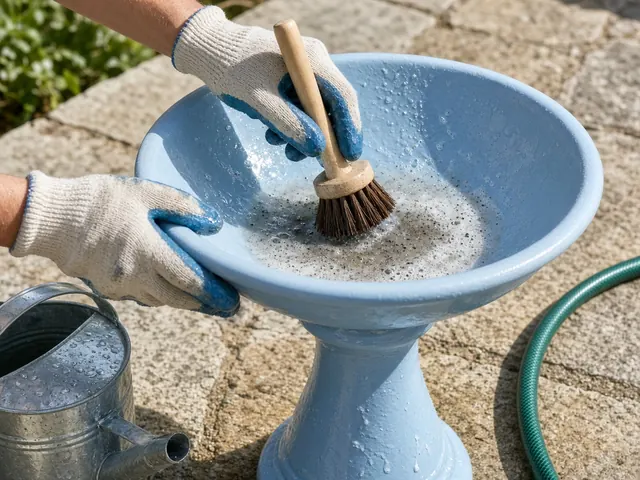
Water still gets dirty in winter. Change it regularly and scrub the basin when you see debris or droppings. Heated baths can evaporate faster than you expect, so check the water level daily and never let a heater run dry. See how to clean a birdbath.
Who might visit
Depending on your region, winter water may be used by chickadees, titmice, juncos, cardinals, jays, robins, bluebirds, starlings, finches and others. Some birds that rarely visit feeders, such as robins and bluebirds, may come to water. Visitors depend on what lives near you, so enjoy whoever shows up rather than expecting particular species.
Common mistakes
- Adding anything to keep water from freezing.
- Letting a heater run in a bath that has dried out.
- Using an indoor extension cord outdoors.
- Leaving a non-freezeproof ceramic bath full of water to crack.
- Forgetting to clean the bath because it is cold outside.
Winter water checklist
- Plain water only, 1 to 2 inches deep
- Heater or de-icer used per instructions, or ice cleared daily
- Outdoor-rated, ground-fault-protected power
- Freeze-safe basin
- Water level checked daily
- Regular cleaning continued through winter
Pair this with our winter backyard birdwatching guide and the basics in birdbath basics.
Questions beginners ask
Can birds freeze to a metal birdbath?
This is a common concern. Wet feet or feathers can stick briefly to very cold metal. Using plastic or ceramic-rated freeze-safe basins and keeping water shallow are simple precautions.
Is warm water better?
Water only needs to stay liquid, not warm. Heaters designed for birdbaths keep water just above freezing, which is what birds need.
What if I cannot use electricity outside?
In milder climates, replacing frozen water with fresh water once or twice a day works. A dark-colored basin in a sunny, sheltered spot can also stay open longer on bright days.
Should I keep water out if birds are not using it?
Yes, if you can keep it clean. Birds often discover water over time, and use may increase during cold snaps when natural sources freeze.
Helpful public resources
Links go to independent organizations. BackyardBirdAtlas is not affiliated with them.
Educational information only. Bird ranges and timing vary by region. For uncertain identifications, check a trusted field guide or ask local birding experts. For injured or sick birds, contact a licensed wildlife rehabilitator. See our disclaimer.