Birdbath Basics for Beginners
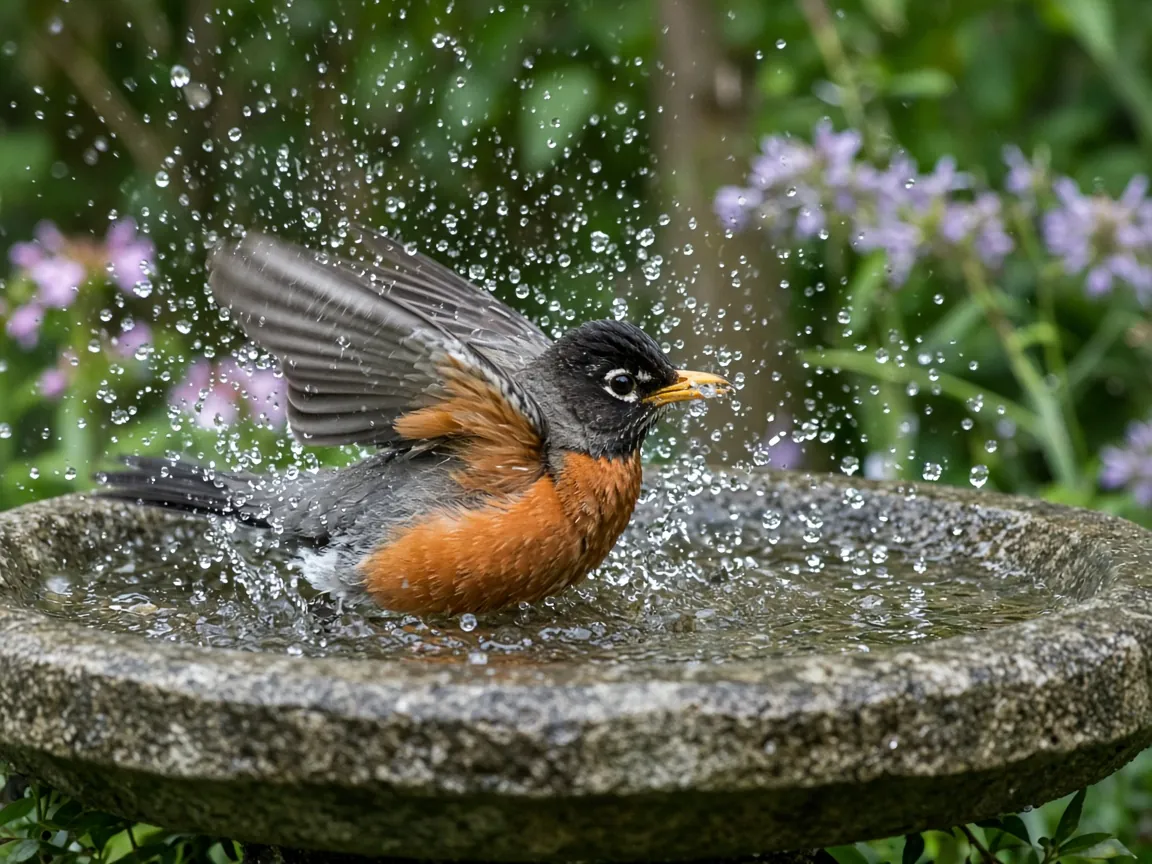
Clean water is one of the simplest and most effective ways to support backyard birds. Birds drink and bathe year-round, and a well-placed, well-kept birdbath can draw visitors that never use feeders, such as robins and many warblers.
Why birds need water
Birds drink to stay hydrated and bathe to keep their feathers clean and in good condition. Well-kept feathers help with insulation and flight. In dry spells, heat waves and hard freezes, natural water can be scarce, which makes a reliable backyard source especially valuable.
Choosing a birdbath
You do not need anything expensive. What matters most is shape and depth:
- Shallow: most songbirds prefer water only about 1 to 2 inches deep. A gentle slope from a shallow edge to the center lets small birds choose their depth.
- Rough surface: a textured bottom gives birds secure footing. Smooth glazed bowls can be slippery; a few flat stones can help.
- Wide rim: a sturdy edge gives birds a place to land and look around.
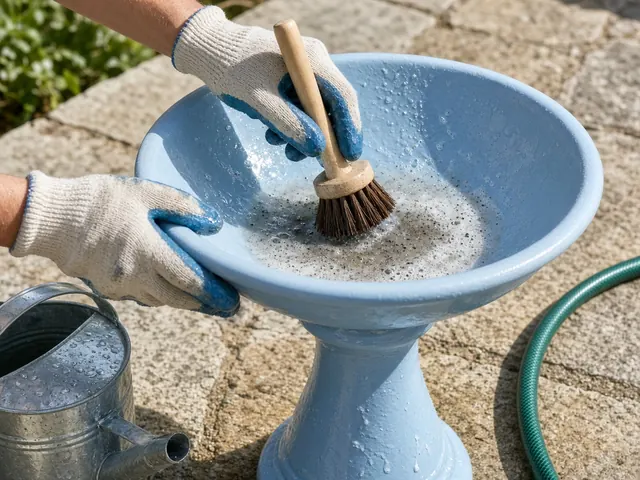
- Easy to clean: a bowl you can reach and scrub is better than a heavy design you avoid cleaning.
If your bath is deeper than about 2 or 3 inches in the center, add a few flat stones to create a shallower area.
Pedestal, ground or hanging?
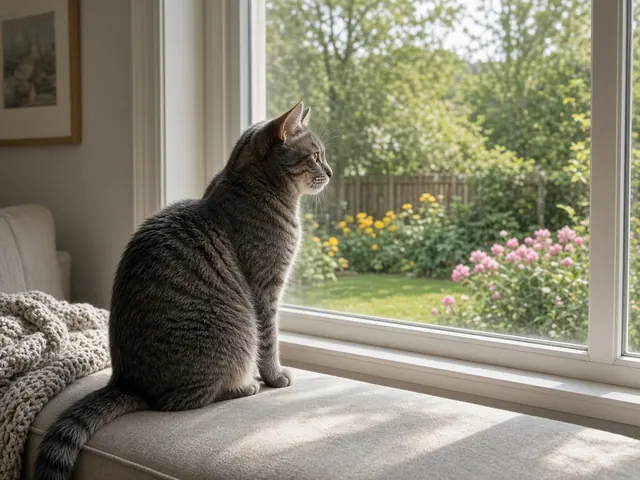
- Pedestal baths keep birds off the ground and somewhat safer from cats.
- Ground-level baths suit birds that naturally drink from puddles, such as doves, robins and sparrows, but need a clear view around them so cats cannot sneak up.
- Hanging or deck-mounted baths work in small spaces; check that they are stable and do not tip.
Where to place it
- Visible and open: birds feel safer when they can see danger coming.
- Cover nearby: a shrub or tree roughly 10 to 15 feet away gives a quick escape route without hiding a predator right at the edge.
- Away from feeders: keeping baths away from feeders reduces seed and droppings falling into the water.
- Some shade: partial shade slows algae growth and keeps water cooler in summer.
- Window safety: think about flight paths; see window collision prevention.
Keeping water fresh
Change the water every few days, more often in hot weather or when many birds use it. Mosquitoes typically need about a week of standing water to develop from egg to adult, so changing water at least twice a week also prevents mosquito breeding. Scrub the bowl regularly; see how to clean a birdbath.
Moving water
The sound and sparkle of moving water often catches birds' attention. A simple dripper, a small solar fountain, or even a bucket with a tiny hole hung over the bath can add movement. Keep any equipment clean and check that water stays shallow.
Water through the seasons
- Summer: refill daily in heat waves; shade helps.
- Migration seasons: spring and fall travelers often stop to drink and bathe.
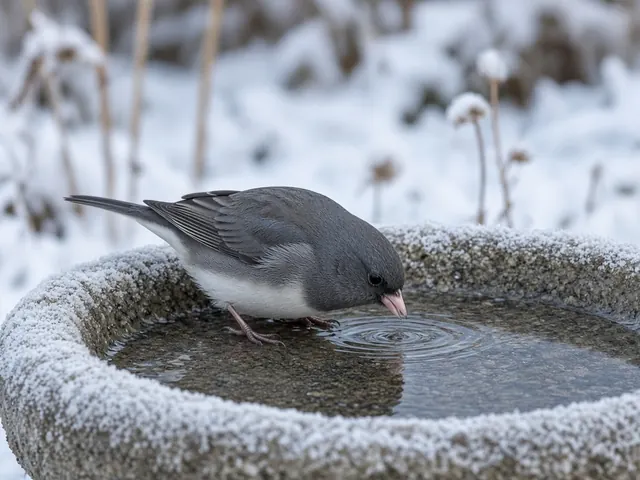
- Winter: open water can be scarce. See providing water in winter.
What not to add
- No chemicals, dyes or soaps in the water.
- Never add antifreeze, salt or glycerin to keep water from freezing.
- Avoid pesticides or fertilizers near the bath.
Common mistakes
- A bath that is too deep for small songbirds.
- Placing it directly under a feeder.
- Letting water sit for a week or more.
- Putting a ground bath next to dense shrubs where cats can hide.
- Using a smooth, slippery bowl with no stones for footing.
Birdbath checklist
- Water 1 to 2 inches deep with a shallow edge
- Rough surface or flat stones for grip
- Open view, cover 10 to 15 feet away
- Away from feeders, partly shaded
- Water changed every few days
- Nothing added to the water
Questions beginners ask
How long until birds find a new birdbath?
It varies from hours to weeks. Moving water, a good open location, and nearby cover often help birds notice it sooner. Be patient and keep the water fresh.
Is a plant saucer good enough?
Often, yes. A wide, shallow saucer can make a fine birdbath. Add stones for footing if it is slippery and place it where you can see around it.
Should I put a birdbath in full sun?
Full sun can heat water and grow algae quickly. Partial shade is usually better in summer. In winter, a sunnier spot can help keep water open.
Do birds bathe in winter?
Some do, especially on milder days. Shallow water lets them drink without soaking themselves on very cold days.
Helpful public resources
Links go to independent organizations. BackyardBirdAtlas is not affiliated with them.
Educational information only. Bird ranges and timing vary by region. For uncertain identifications, check a trusted field guide or ask local birding experts. For injured or sick birds, contact a licensed wildlife rehabilitator. See our disclaimer.