Blue Jay: A Backyard Guide
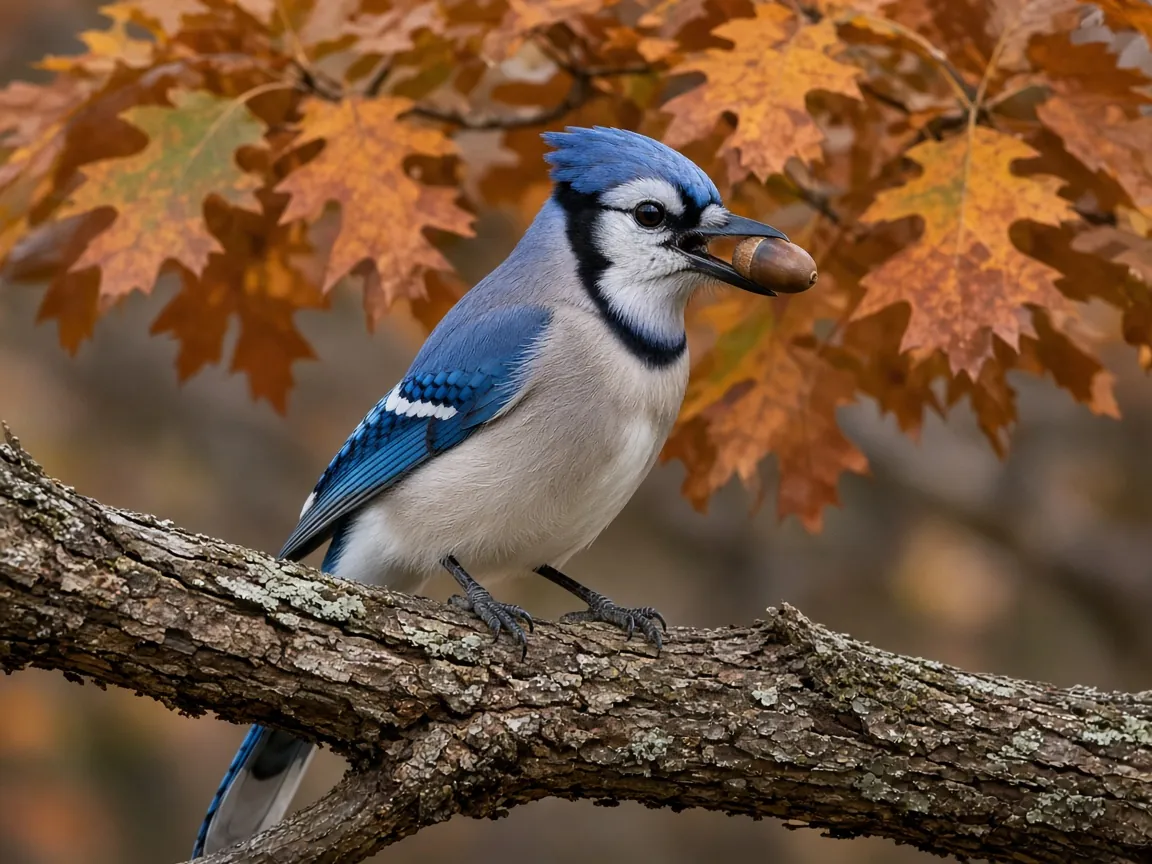
Blue jays are loud, smart and strikingly colored. They can seem bossy at feeders, but they also play an important role in planting oak trees and warning other birds of danger. Here is how to identify them and understand what you are seeing.
Quick identification
- Size: larger than a robin, smaller than a crow.
- Shape: a prominent crest, a strong black bill, and a long tail.
- Color pattern: bright blue above, whitish to gray below, with a black "necklace" across the throat and face, white wing bars, and black barring on blue wings and tail.
- Sexes: males and females look alike.
The blue color is a trick of light. Blue jay feathers do not contain blue pigment; the color comes from the way the feather structure scatters light. A crushed feather loses its blue and looks brownish.
Range and seasons
Blue jays live across most of the eastern and central United States and southern Canada, with their range reaching into parts of the West. Many stay year-round, but some migrate, and in fall you may see loose flocks moving along lakeshores or ridges. Scientists still study why some jays migrate in some years and not others.
In the West, the similar-looking Steller's jay and various scrub-jays replace the blue jay in many areas, so check range maps if you live west of the Great Plains.
Voice and mimicry
The classic call is a loud "jay! jay!" or "jeer," but blue jays have a large vocabulary of whistles, rattles and gurgles. They are also known to imitate hawk calls, especially the red-shouldered hawk. If you hear a "hawk" scream from a backyard tree and then see a blue jay, you may have heard a skilled imitation.
Behavior
- Caching food: blue jays carry acorns and other nuts in their throats and bills and bury them for later. Forgotten acorns can sprout, which is why jays are often credited with helping spread oak forests.
- Mobbing predators: jays often gather and call loudly at hawks, owls and cats. Other birds pay attention to these alarms.
- Feeder visits: they may arrive in a noisy group, grab several seeds or peanuts at once, and fly off to cache them.
What blue jays eat
Blue jays eat acorns, nuts, seeds, fruits and insects, and occasionally other animal foods. At feeders, they favor peanuts, black oil sunflower seed and suet. A platform feeder or a sturdy hopper suits their size. If you want to give smaller birds more room, a second feeding station across the yard can spread visitors out.
Are blue jays "bullies"?
Blue jays can displace smaller birds, and they are known to occasionally take eggs or nestlings of other birds. That behavior is natural and studies suggest it makes up a small part of their diet overall. Rather than trying to exclude jays, most backyard birders simply offer food in more than one place, add dense shrubs for small birds to retreat into, and enjoy the jays as part of a healthy bird community.
Supporting blue jays in your yard
- Keep or plant native oaks if you have room; they support many insects and provide acorns.
- Offer water year-round; see winter water tips.
- Clean feeders regularly, since group feeders can spread disease; see our feeder hygiene guide.
Common mistakes
- Confusing a blue jay with an eastern bluebird. Bluebirds are smaller, have no crest, and show a rusty orange breast.
- Assuming a hawk call always means a hawk.
- Offering salted or flavored peanuts. Plain, unsalted peanuts are the usual recommendation.
- Leaving peanuts out in wet weather until they spoil. Offer amounts birds finish within a day or two.
Blue jay checklist
- Crested and larger than a robin
- Blue above, pale below
- Black necklace across throat
- White wing bars and white tail corners
- Loud "jay" calls or hawk-like screams
- Carrying nuts away to cache
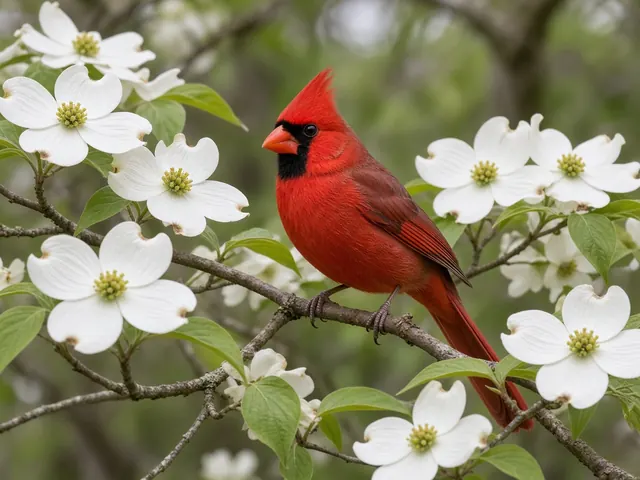
Continue with our northern cardinal guide or test your notes with the ID Helper.
Questions beginners ask
Why do blue jays disappear for weeks?
Jays may wander, migrate, or switch to abundant natural foods like acorns in fall. Some years they are everywhere and other years far fewer visit feeders. Their absence usually reflects natural food supply and movement rather than a problem.
Can I tell male and female blue jays apart?
Not reliably by plumage. Males are on average slightly larger, but size alone is not a dependable field mark. Behavior during nesting season may give hints, but most observers simply record 'blue jay'.
Are blue jays protected?
Yes. Blue jays are native birds protected under the federal Migratory Bird Treaty Act, as are their nests and eggs. It is illegal to harm them or disturb active nests.
Helpful public resources
- Migratory Bird Treaty Act of 1918 — U.S. Fish & Wildlife Service
- Feeding Birds (feeders, foods, cleaning, placement) — Project FeederWatch
Links go to independent organizations. BackyardBirdAtlas is not affiliated with them.
Educational information only. Bird ranges and timing vary by region. For uncertain identifications, check a trusted field guide or ask local birding experts. For injured or sick birds, contact a licensed wildlife rehabilitator. See our disclaimer.